

April brings sharper focus and deliberate action as businesses close out the final weeks before the UK financial year resets on 1 May. It is the month when organisations finalise structures, review performance, and position themselves for a strong start to the year ahead.
So what did this April reveal about the UK’s business landscape?
Let’s explore the trends, numbers, and insights shaping the final stretch before the new financial year, powered by DataGardener’s April 2026 Business Insights Report.
Why is April an important month for UK businesses?
April consistently ranks among the most strategically significant months in the UK business calendar.
As organisations approach the close of the financial year, there is often a concentrated surge in filings, restructuring decisions, and new ventures, all timed to close strong before the books reset on 1 May. Businesses accelerate incorporations, settle outstanding obligations, and make final structural decisions with purpose and precision.
It is the month where calculated moves are made, whether that means launching a new business, consolidating existing operations, or realigning resources for the year ahead.
These figures reflect a measured yet active business environment. Entrepreneurs remain engaged but are clearly exercising careful decision-making as they prepare to cross into the new financial year.
Business Overview: April 2026 at a Glance
These figures highlight a measured yet active business climate, with entrepreneurs continuing to build while exercising careful financial decision-making ahead of the new financial year.
How many companies closed down in April 2026?
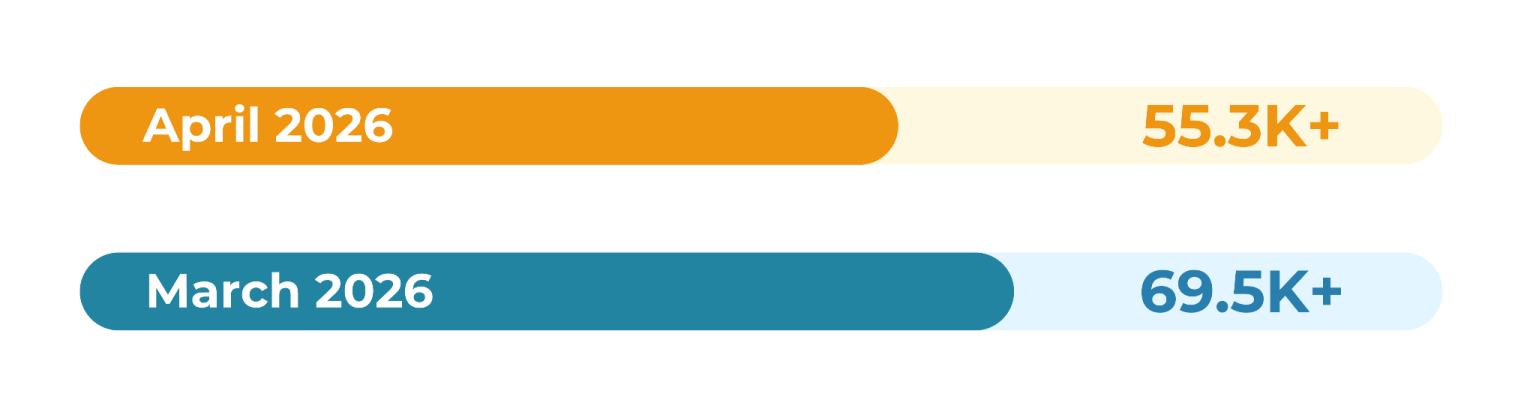
In April 2026, more than 55.3K companies were dissolved, a moderate decrease compared to 69.5K in March 2026.
This shift likely reflects end-of-financial-year consolidations, post-quarter evaluations, and structural tidying as many organisations close out positions before the reset in May. Businesses are making deliberate choices about what to carry forward and what to wind down before the new financial year begins.
How did new company formations compare to March?
In April 2026, over 55.3K companies were incorporated, down from 73.5K in March 2026.
Despite the dip, incorporation rates remain resilient, suggesting that UK entrepreneurs and investors are still committing to new ventures even in the final weeks of the financial year. The measured pace reflects calculated confidence rather than hesitation, a sign of a business community that continues to build with intent.
Which regions saw the most new business activity?
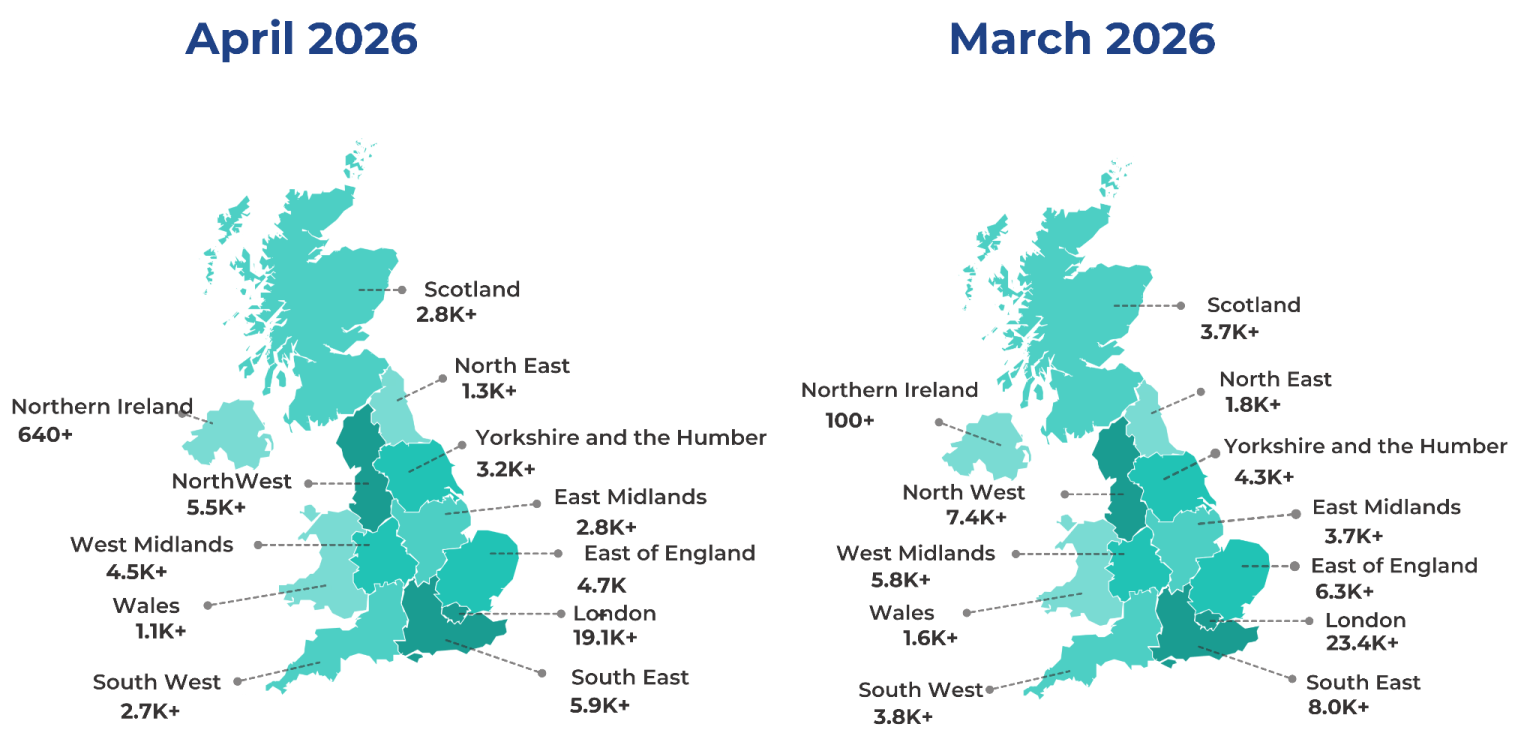
The regional distribution of incorporations remains largely consistent with earlier months.
London continues to dominate with over 19,115 companies, reaffirming its position as the UK’s commercial powerhouse. The South East follows with 5,908 and the North West with 5,570, highlighting steady regional growth and investment interest as businesses finalise their year-end positions. On the lower end, Wales (1,084) and Northern Ireland (645) reflect smaller but stable participation in new business formation. Overall, the geographical pattern underscores London’s influence but also reveals resilient momentum across northern and regional economies, with West Midlands and East of England also contributing meaningfully to the national picture.
Which industries were most active in April 2026?
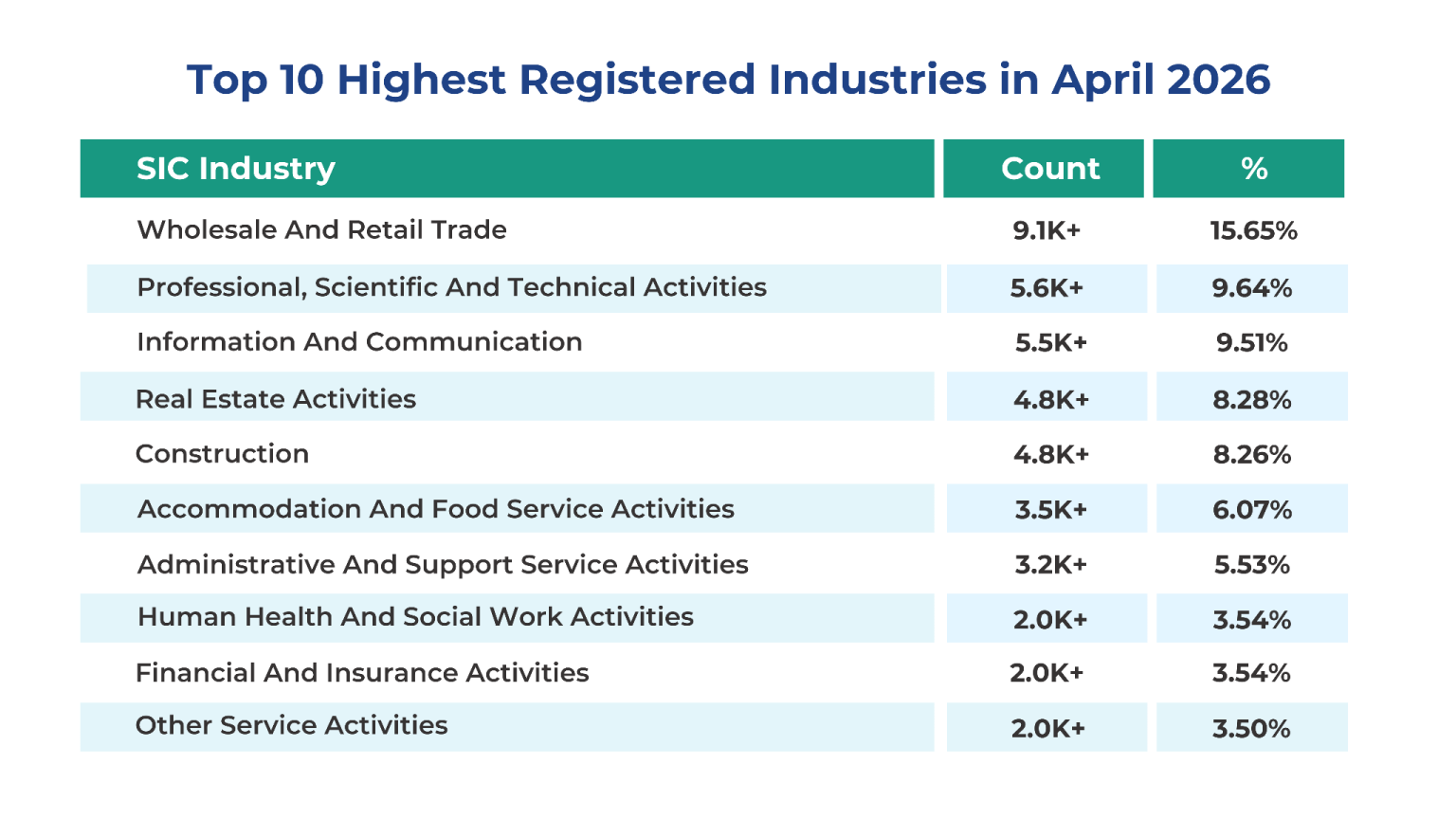
The SIC analysis for April 2026 shows a balanced distribution of new company formations across key sectors.
Wholesale and Retail Trade leads with 15.65% of total incorporations, reflecting robust consumer demand and strong entrepreneurial movement in trade and e-commerce as businesses lock in market positions ahead of the new financial year. Professional, Scientific, and Technical Activities (9.64%) and Information and Communication (9.51%), driven by continued technology investment and consultancy growth. Meanwhile, Real Estate (8.28%) and Construction (8.26%) remain solid contributors, underscoring the resilience of property and infrastructure-led businesses.
Together, these trends highlight broad-based confidence across industries, adapting to market and digital shifts as the financial year reaches its close.
What does the risk profile of new companies tell us?
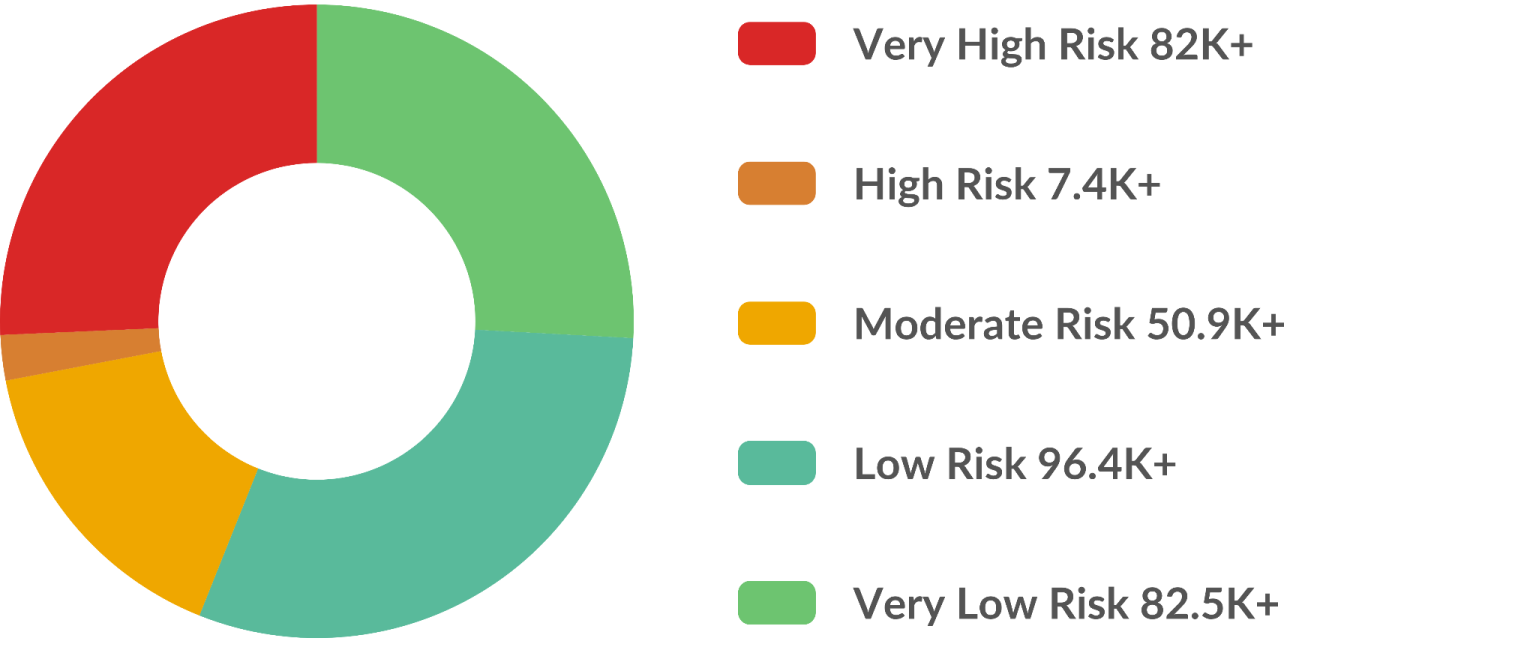
Risk assessment for newly incorporated companies in April 2026 reveals a broad distribution across risk categories, reflecting a diverse and actively monitored business environment.
Low-risk companies represent the largest segment with 96,452 firms. This sits alongside 82,526 Very Low Risk companies and 82,019 Very High Risk companies, indicating a notably polarised risk landscape among newly incorporated businesses. Moderate Risk accounts for 50,950 companies, while High Risk firms stand at 7,404, the smallest category. Overall, these figures reflect a dynamic and varied business environment, with most firms entering the market with either strong financial foundations or a clear awareness of the risks associated with early-stage operations.
Were there changes in company charges registered?
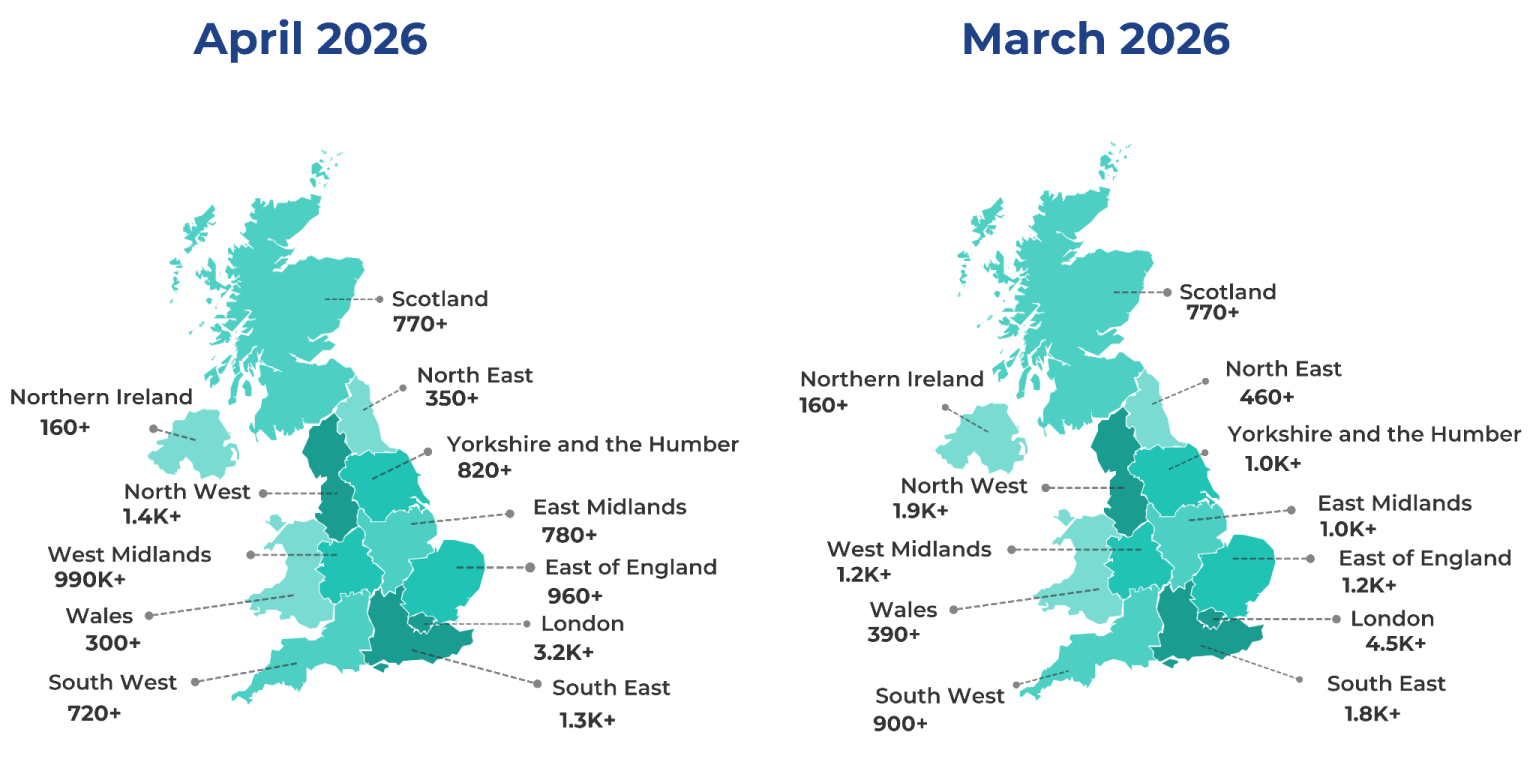
In April 2026, 13,460 outstanding charges were registered, decreasing from 16,133 in March 2026.
This decline aligns with a recalibration of lending and investment activity as firms consolidate financial positions ahead of the new financial year beginning in May. London led with 3,296 charges, followed by the North West (1,439) and South East (1,385). While funding activity remains, businesses are tightening their strategies and prioritising liquidity and stability as they prepare for the year ahead.
What about County Court Judgements (CCJs)?
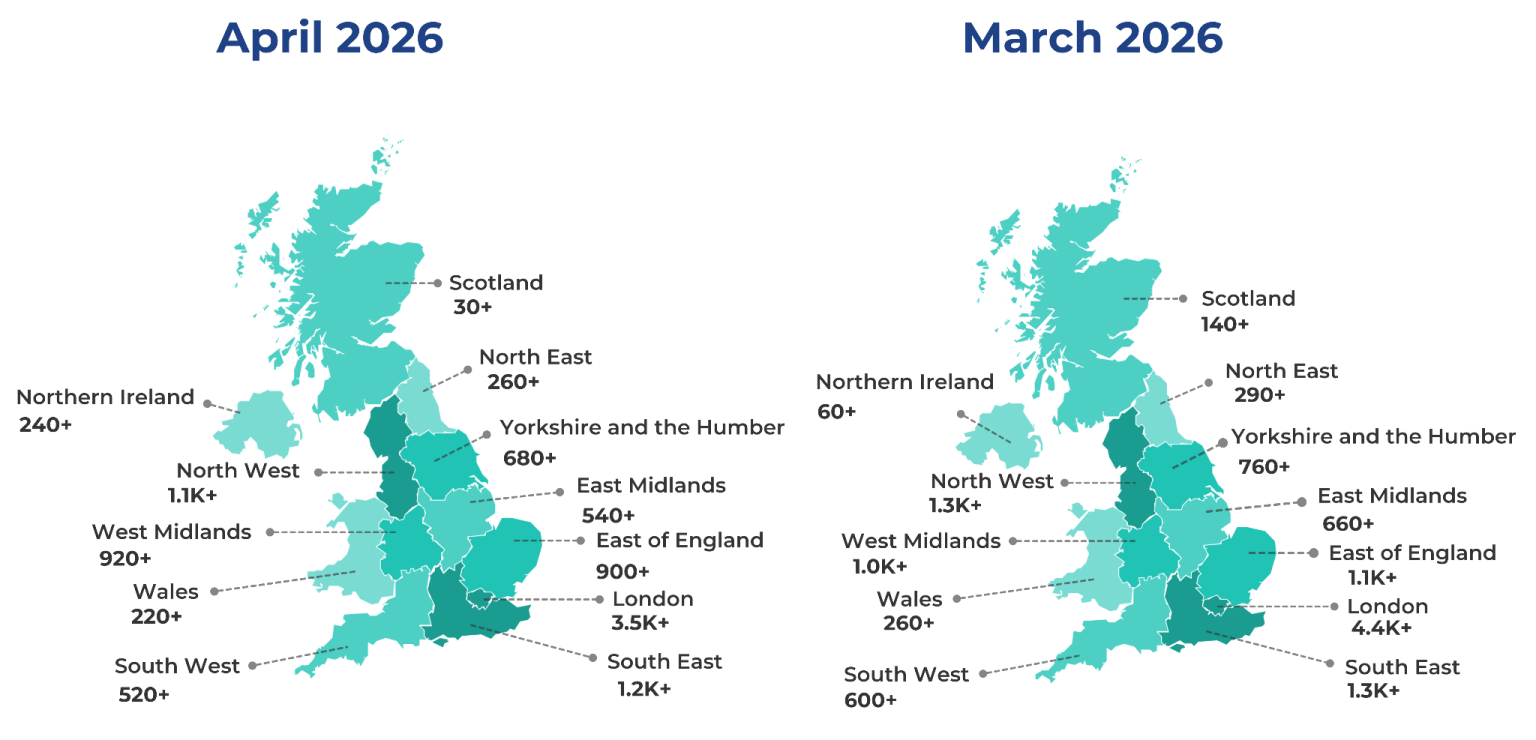
CCJ filings decreased notably, with 10,565 filed in April 2026, down from 12,445 in March 2026.
This reduction points to a settling of credit enforcement activity as businesses close out the financial year. London recorded the highest volume with 3,584, followed by the South East (1,215) and North West (1,184).
The volume remains considerable, signalling continued vigilance in credit management and due diligence across the UK corporate ecosystem.
How are female founders performing?
In April 2026, more than 7,437 companies were registered as female-owned, a decrease from 12,834 in March 2026.
Despite the seasonal recalibration, the data reflect sustained female entrepreneurial participation across industries.
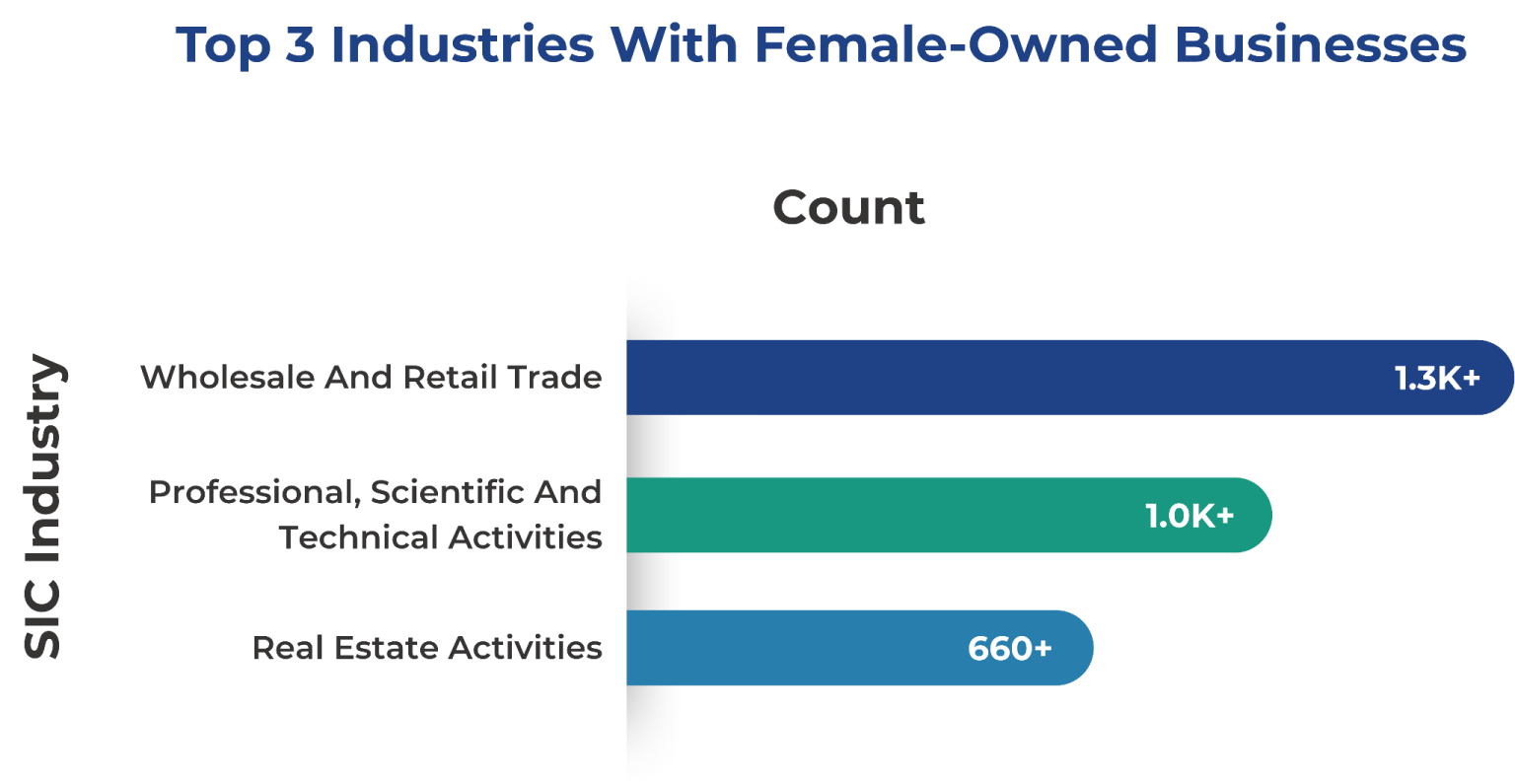
While there has been a decline from March, female founders continue to represent a vital and resilient segment of the UK’s entrepreneurial base, particularly in retail, professional services, and real estate.
Conclusion: What does April 2026 tell us about the UK business landscape?
April 2026 paints a picture of measured confidence and deliberate positioning as the financial year draws to a close. Entrepreneurs are still building, investors remain active, and companies are managing risk carefully, a reflection of maturity in the UK’s evolving business ecosystem.
As the new financial year begins in May, one thing is clear:
Businesses that combine data-driven insight with strategic timing will be best positioned to hit the ground running in the year ahead.
All insights are sourced from DataGardener’s April 2026 UK Business Insights dataset. For deeper analysis, API access or customised dashboards, visit DataGardener.com.
Download the Full April 2026 UK Business Insights Report
Get the complete picture. The April 2026 UK Business Insights Report brings together company formations, dissolutions, charges, CCJs, risk profiles, industry breakdowns, and female-founder data into one comprehensive resource.
Whether you are a business developer, credit analyst, investor, or strategic planner, this report gives you the data intelligence to make smarter, faster decisions before and after the new financial year begins.
For deeper analysis, API access or customised dashboards, visit DataGardener.
Download the April 2026 Monthly Insights Report now and stay ahead of the market.